Pink Noise Riga didn’t begin with a corporate master plan; it started with a single, high-stakes, great energy & zero pretension night in late 2024. Today, Pink Noise Riga has grown into a multi-session citywide fixture connecting global icons with the core of Latvia’s music scene.
Here is how one night at Palladium became a movement.
pink noise
[pɪŋk nɔɪz]
A type of noise with equal energy in each octave, giving it a deeper, more balanced sound than white noise.
Aigars Nords' event team (NECom) and Latvian Radio Big Band director and saxophonist Dāvis Jurka began building a new capital-city music festival around their shared love of good music and Riga. It would not be confined to jazz in its narrowest sense, but would move freely between jazz, fusion, improvised music, pop-rock and whatever else felt right.
One of the world's most recognised saxophonists joined one of Latvia's defining jazz ensembles for the festival's inaugural concert. At the time, Pink Noise Riga was still essentially one remarkable night with an ambition attached to it: the organisers were already promising that a larger festival would follow the next summer.
That first night established something that would stay with Pink Noise: internationally recognised musicians meeting Riga's own music scene, not as two separate worlds but on the same stage.
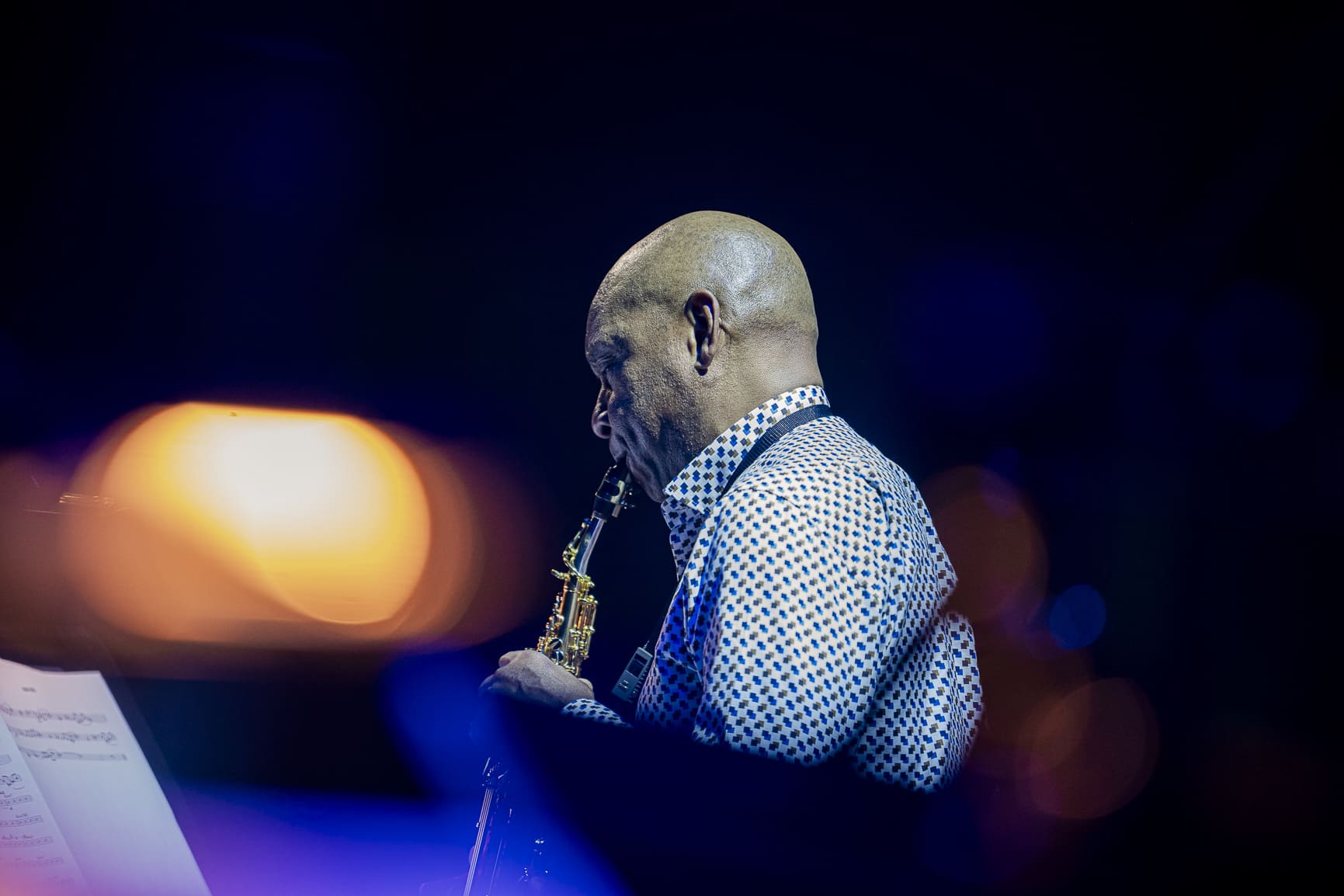
A small Pink Noise tradition was born almost immediately: ask the musicians who Riga should hear next.
After the opening concert, Branford Marsalis was asked which artist could speak both to committed jazz listeners and to a new generation. His suggestion was Kamasi Washington.
A year later, Washington would return the favour by naming Nubya Garcia.
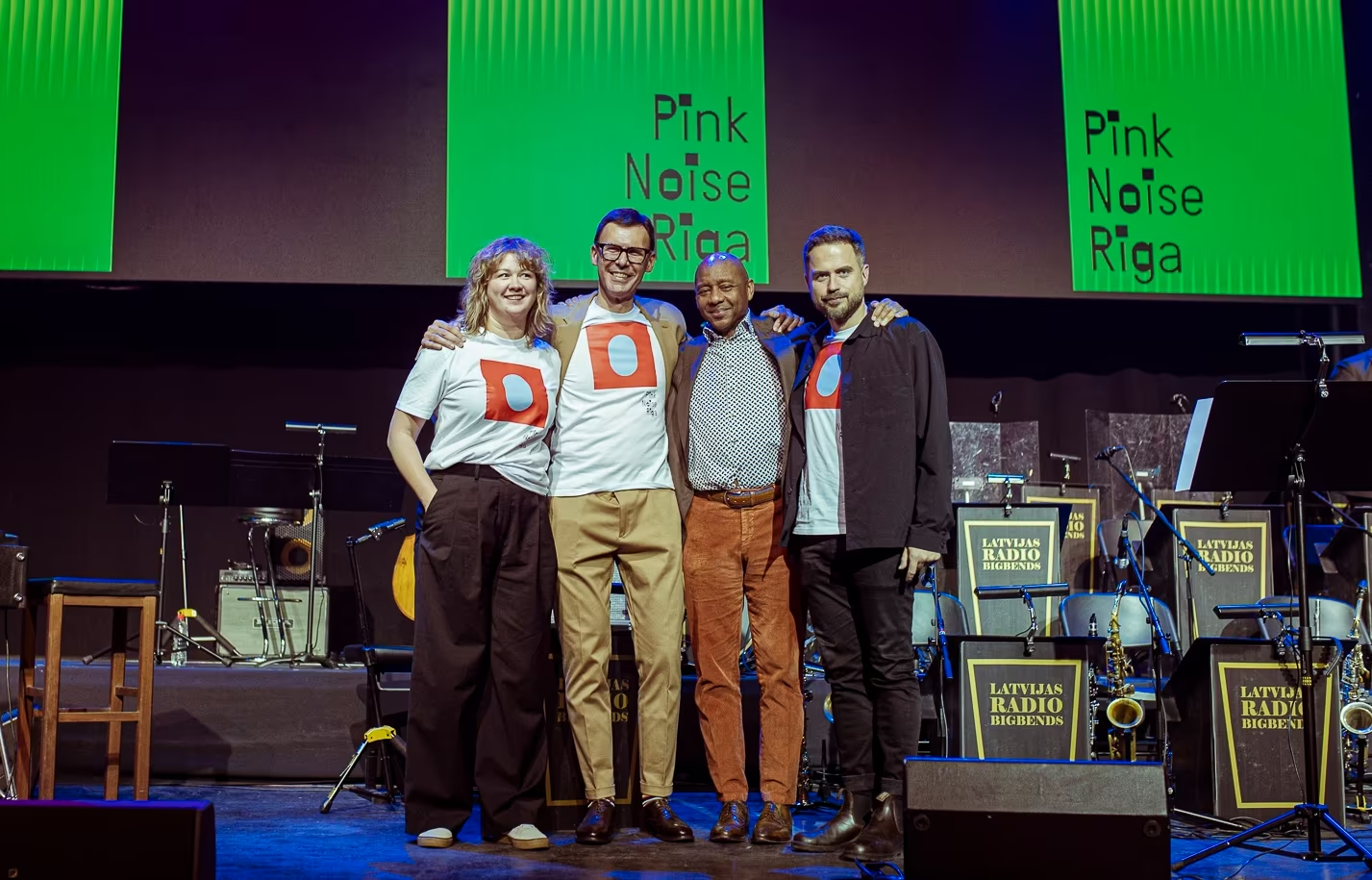
The second season was the moment Pink Noise Riga grew up.
What had started with a single concert expanded into a multi-day programme across Riga. During festival week, Palladium became the main stage, while M/Darbnīca extended the nights with smaller concerts, aftershows and jam sessions.
At the centre were four very different acts: LUPA, Instrumenti, Kārlis Auziņš Double Trio and Kamasi Washington with his band. Together they made the festival's intentions much clearer than any genre label could: contemporary jazz beside pop, fusion beside improvisation, Latvian artists beside international names.
LUPA, led by Pink Noise artistic director Dāvis Jurka, opened the evening with instrumental fusion before Instrumenti took over the stage with a catalogue-spanning live set.
It was exactly the kind of pairing Pink Noise wanted to make normal: no need to choose between jazz and pop, instrumental music and songs, familiar names and new sounds. If it works together in the room, it belongs together at Pink Noise.

Kārlis Auziņš Double Trio opened the evening with Equilibrium Suite before Kamasi Washington arrived with the full force of his Fearless Movement touring band — a sprawling ensemble connecting jazz with funk, soul, hip-hop and the musical world around it.
Washington's first performance in Riga attracted visitors from 22 countries. The night ended with a standing ovation and the band being called back to the stage for an encore.

Across the same week, M/Darbnīca hosted a Tribute to Amy Winehouse, CLAPPER, Vadims Dmitrijevs and the Kilian Sladek Quartet, together with after-concert sessions that kept the festival going well beyond the Palladium stage.
Kamasi Washington and members of his band even appeared at the late-night jam sessions after their Palladium performance, turning the distance between “headline artist” and “festival crowd” into something considerably smaller.
Pink Noise also introduced the Bubble Lounge, bringing Riga Wine & Champagne into the festival and pairing more than thirty Champagnes with the music playing at Palladium.
After the first full summer edition, Pink Noise changed its shape again.
Rather than competing with an already crowded summer concert calendar, the third season moved into two distinct sessions – spring and autumn. The idea was to create reasons to experience Riga through music outside its busiest months and to let each edition take over several different spaces around the city.
It also meant Pink Noise was no longer something that appeared for one summer weekend. It was becoming a music series woven through the year.
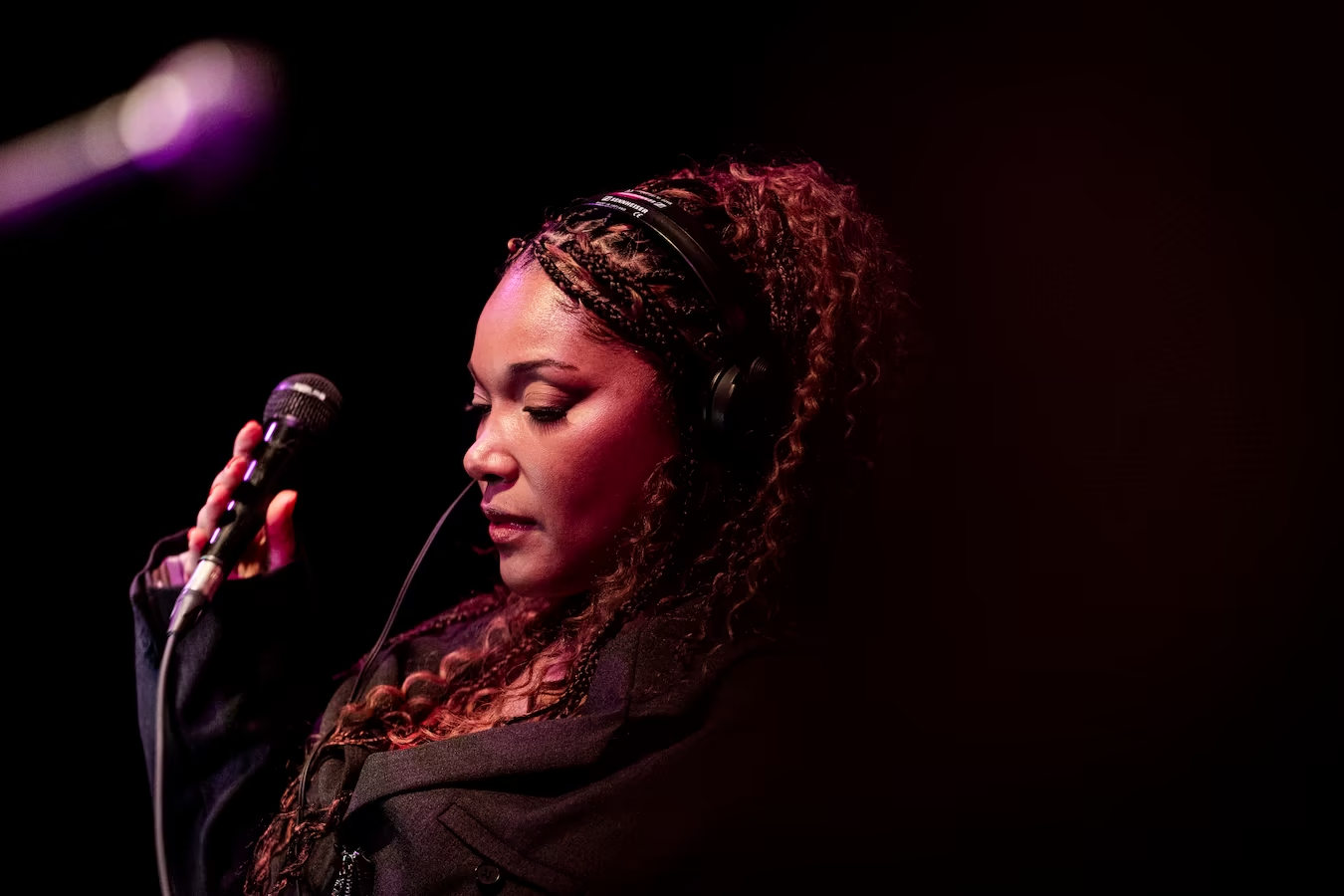
Pink Noise's new chapter opened at M/House of Jazz on a deliberately intimate scale.
The evening brought the electro-acoustic world of Laryssa Kim together with Three Voices – Gerda Timrota, JULIANNA and Marija Valmiera – putting emerging Latvian voices alongside the international artists at the centre of the weekend.
It was an important expansion of the Pink Noise idea: not only bringing recognised names to Riga, but creating space for the artists who may shape what comes next.
.avif)
After Branford had pointed Pink Noise towards Kamasi Washington, Washington had pointed the festival towards Nubya Garcia. In April 2026 the London saxophonist arrived at Palladium with Lyle Barton, Sam Jones and Max Luthert for her first-ever performance in the Baltic states.
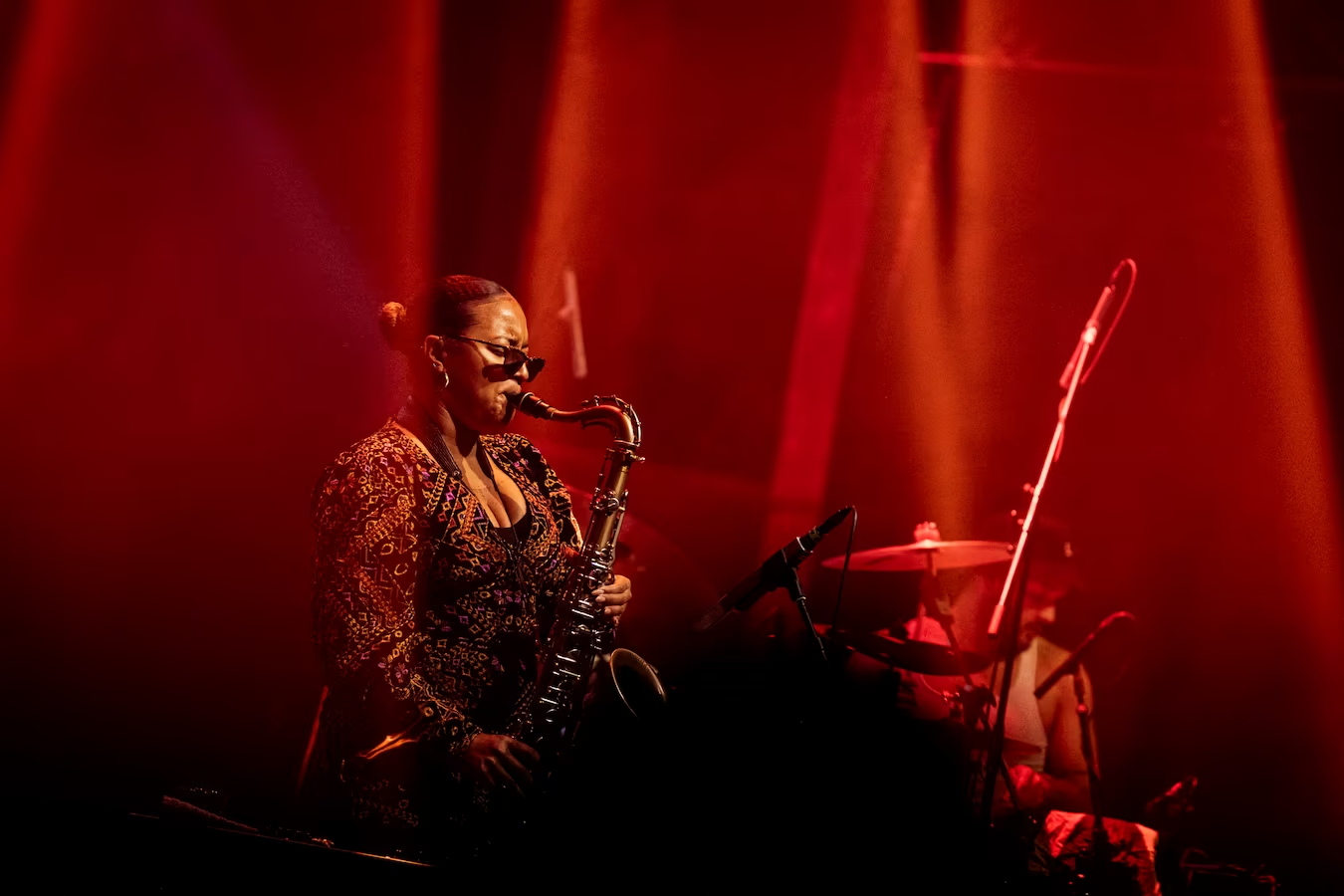
There was no rigid setlist. Garcia and her quartet approached the night with the spontaneity and trust of a group accustomed to rebuilding the music in the moment. Beforehand, DJ Toms Grēviņš set the room with Jazz on Vinyl; afterwards the night continued at the Pink Noise Jam Session.
.avif)
And during the day, Pink Noise added something entirely new: Blues for Kids, opening part of the festival world to its youngest listeners.
Intars Busulis and saxophonist Gints Pabērzs formed the Lush Life Quintet together with pianist Matīss Žilinskis, double bassist Toms Poišs and drummer Rūdolfs Dankfelds.
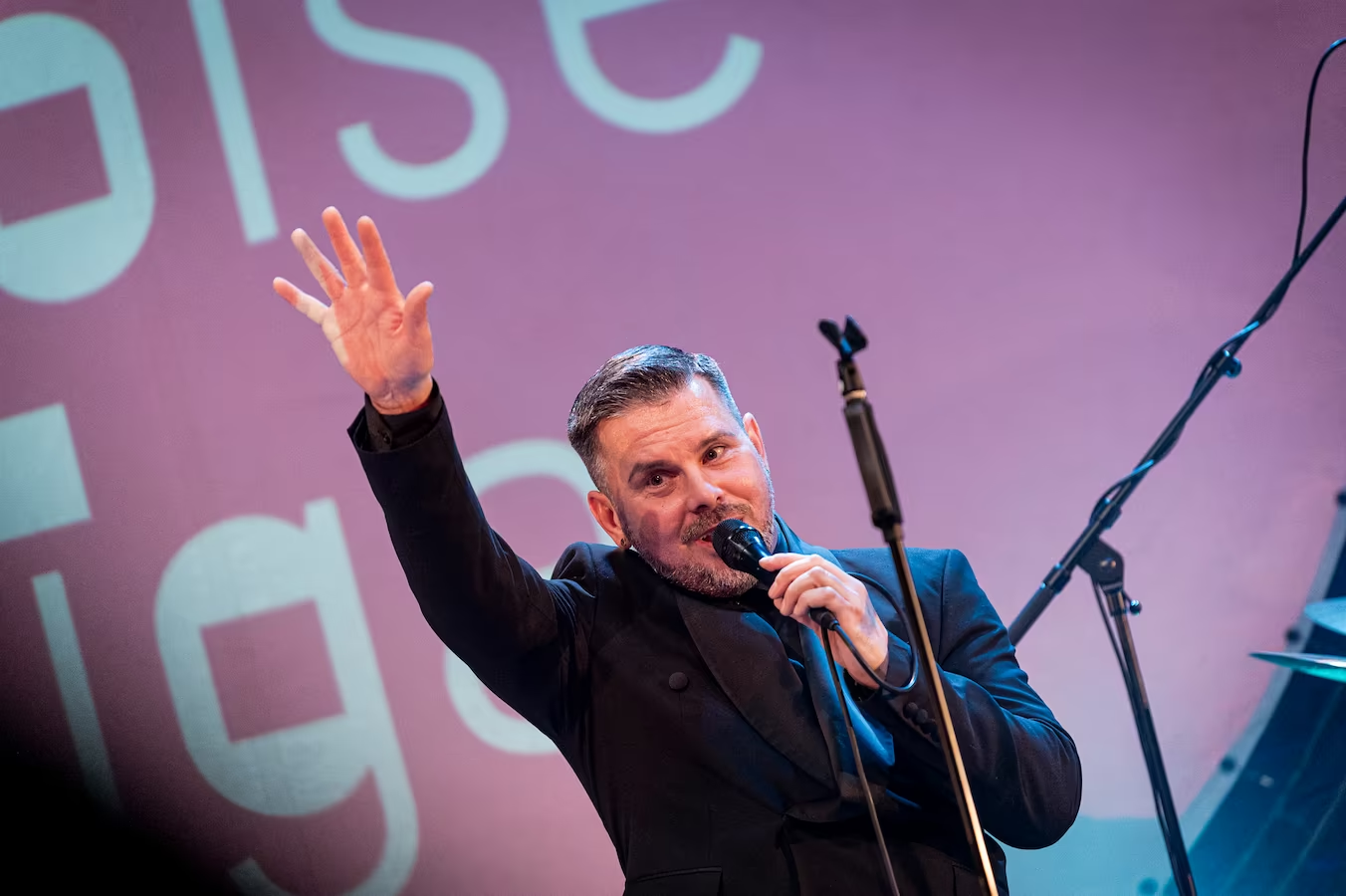
Inspired in part by the meeting of John Coltrane and Johnny Hartman, the project brought the dialogue between male voice and tenor saxophone into a contemporary Latvian setting. The programme moved through jazz standards and unexpected repertoire and included the premiere of Žilinskis' newly written “Sulīgā dzīve.”
The concert sold out completely and ended in a standing ovation. It would not remain a one-off: the reaction was strong enough for the quintet to be invited back for Vol. 2 in the autumn.
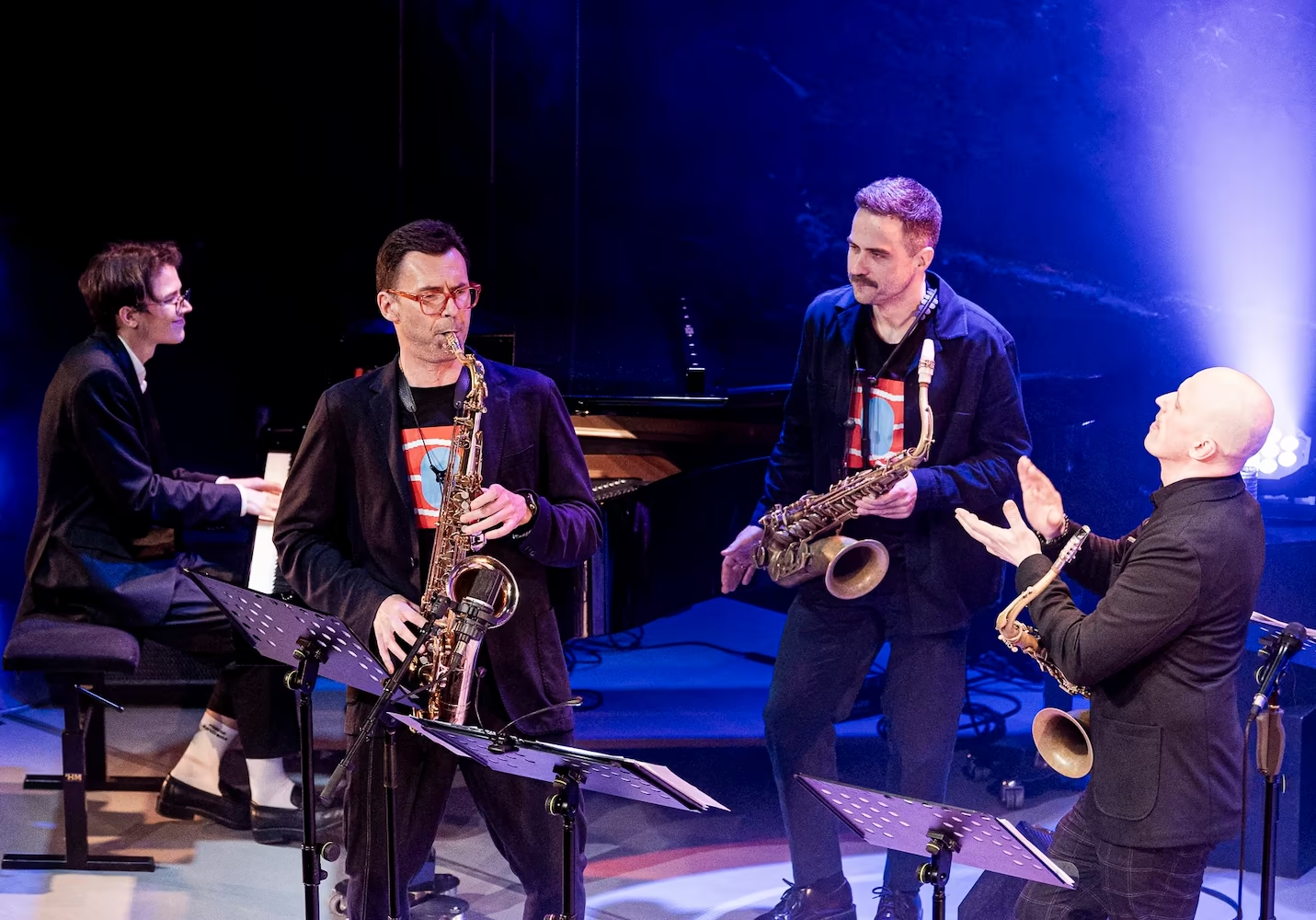
Pink Noise Riga's first Spring Session finished with all three festival days completely sold out and standing ovations – the strongest proof yet that the experiment that began with one concert in 2024 had found an audience of its own.
.png)
.png)
.png)
.png)